Problem

You’ve built something worth funding. Your brand doesn’t prove it yet.

Investors scan your deck and move on. Prospects check your site and hesitate. Partners question if you’re real. Not because your product is weak — because your brand doesn’t match your substance.

The usual options don’t work at your stage. Agencies want €40–60K and three months. Freelancers are a gamble. DIY saves money but costs you credibility in every room that matters.

You need something built for how you actually operate.

Solution

A 10-day, fixed-process brand sprint for founders who don’t have time to waste.

No workshops. No endless revisions. No design-by-committee. We take what you’ve built and make it clear, credible, and distinctive — through strategy, identity, and a system you can actually use.

  • Your time 3–4 hours across the sprint.
  • Our time Two weeks of focused work.
  • Outcome A brand that earns trust before you walk into the room.

Output

A complete brand system. Not just a logo.

  • Brand Strategy & Positioning

    • Clear positioning that investors understand in 30 seconds
    • Messaging that communicates what you do without jargon
    • Voice & tone guidelines
    • Competitive differentiation framework
  • Visual Identity System

    • Logo system (primary mark + variations)
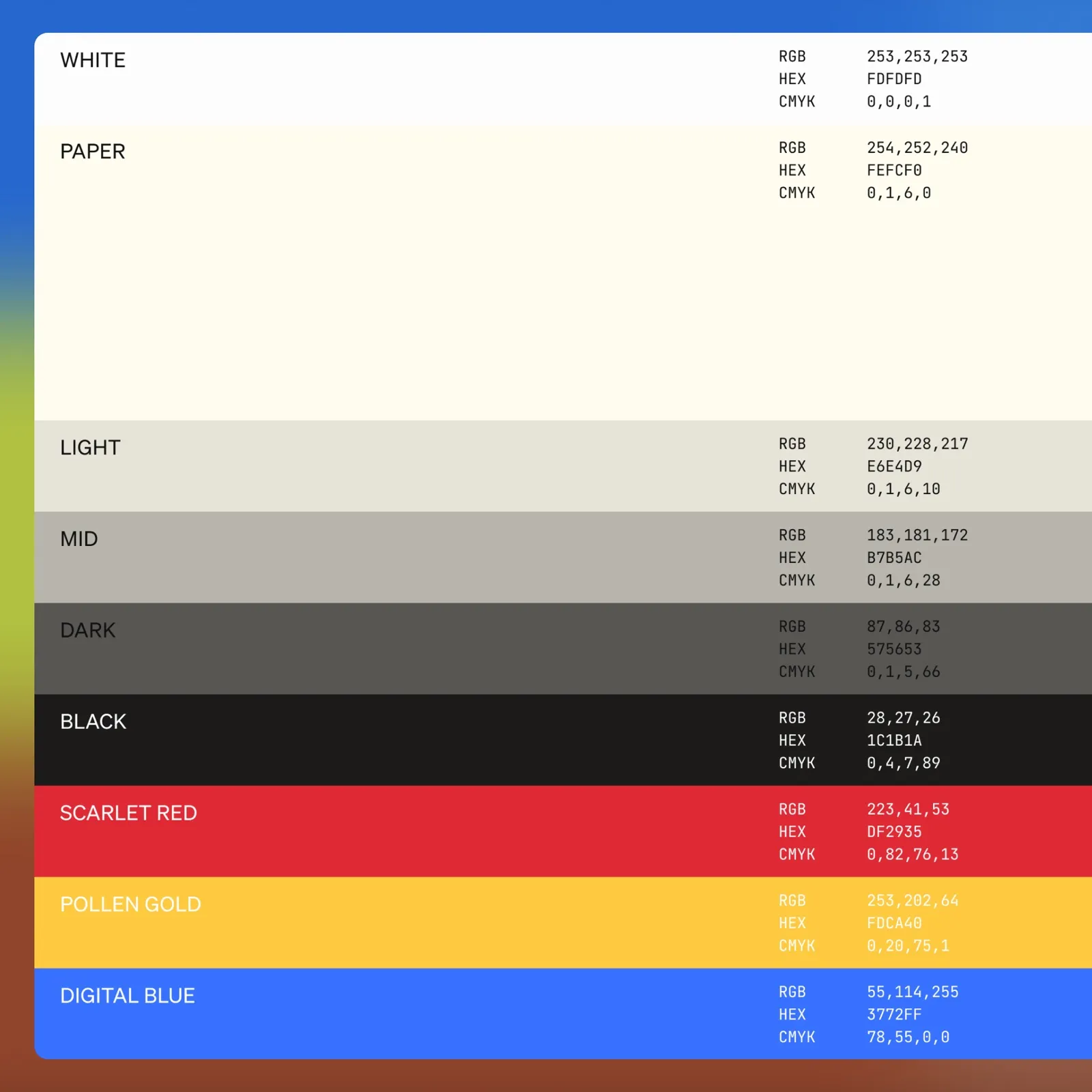
    • Color palette (primary, secondary, accent)
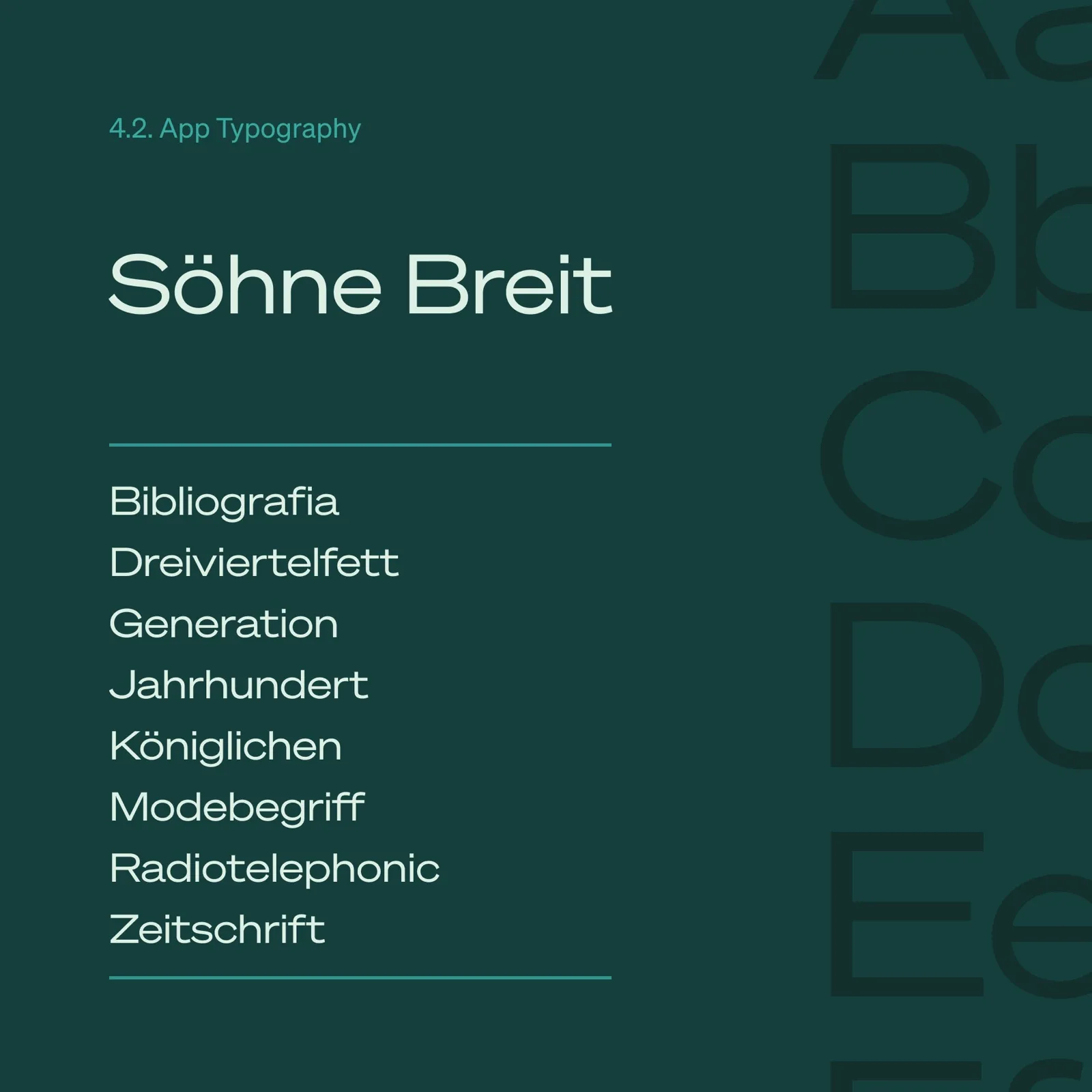
    • Typography system (headings, body, UI)
    • Graphic language (patterns, shapes, visual elements)
  • Brand Toolbox

    • Brand guidelines PDF
    • Pitch deck template (cover + key layouts)
    • Business card design
    • Social media templates
    • Email signature
    • Complete Figma source files

Everything you need to launch, fundraise, or walk into a partnership meeting and be taken seriously.

Timeline

10 days. Fixed process. No surprises.

  1. Day 1 Kick-start call (2h)
  2. Days 2–3 We disappear. Designing, not updating you. This is where the work happens.
  3. Day 4 Direction call (1h): We present two complete brand directions. You choose one.
  4. Days 5–6 Refining your chosen direction. Building the full identity system around what you approved.
  5. Day 7 Brand review call (1h): We present the complete brand system. You give final input.
  6. Days 8–9 Final build and polish.
  7. Day 10 Handoff call (1h): Everything delivered. Files organized. Questions answered.
  8. 5 days Cooldown: support for file questions and implementation guidance.

Why this works

Founders waste weeks going back and forth with agencies — reviewing drafts, giving feedback on half-finished ideas, scheduling alignment calls. That process protects the agency. It doesn’t protect your brand. Our process protects the work. You make four decisions across four calls. We handle everything else. The constraint is the point.

Fit

Ideal if you:

  • Are Seed to Series A
  • Are preparing to launch, raise, or close a key partnership
  • Have 1–2 decision-makers (not a committee)
  • Can commit to the sprint timeline
  • Want strategic clarity, not just visual polish

Insight

Practical brand thinking for startups

  • 1 min read

    Brand entropy

    When your team, homepage, and sales deck say different things, customers feel one thing: uncertainty.

    Ask three people on your team what your company does. You’ll get three different answers.

    Now imagine that happening on every sales call, every investor meeting, every onboarding email. Each one slightly off from the last. No single version is wrong. But nothing compounds, because nothing is consistent.

    In French kitchens there is a discipline called mise en place — everything in its place before the first flame. A chef who skips prep doesn’t cook slower. They cook worse. The disorder shows up on the plate even if the diner can’t name what’s off.

    Brand works the same way. When your homepage says one thing, your deck says another, and your sales team improvises a third — the customer doesn’t see three messages. They feel one thing: uncertainty.

    Mixed signals don’t cancel out. They compound.

  • 1 min read

    Travel light

    Why the best startup brand systems aren't comprehensive — they're load-bearing.

    In mountaineering, alpine style means climbing fast and light — no fixed camps, no porters, no excess. Carry only what keeps you alive and moving.

    Startup brand systems work the same way.

    Somewhere along the way, branding became synonymous with a 100-slide deck that nobody opens after the handoff. Color palettes with twelve shades. Logo lockups for situations that will never happen.

    It feels thorough. But thoroughness is not the same as usefulness. A brand system too heavy to carry stays in the drawer.

    What a startup actually needs fits in a daypack. A name that works out loud and in a URL. One typeface. One color you own. A sentence that tells someone what you do and why it matters. A visual system simple enough that anyone on the team can use without asking.

    The best brand work isn’t comprehensive. It’s load-bearing.

  • 1 min read

    Accidental brands

    Why most companies have a brand they didn't choose — and how neglect lets the market define you instead.

    Every company has a brand. Most just didn’t choose theirs.

    If you haven’t made deliberate decisions about your name, your words, your visual identity — your customers made those decisions for you. They pattern-matched you into a category based on whatever signals you gave them. You just don’t know which category they picked.

    In Japanese woodworking there is a tradition called sashimono — joinery without nails or glue. The strength of the furniture is entirely in how the invisible parts fit together. Nobody sees the joint. But everyone feels when the piece wobbles.

    Your brand is the joint between your product and the market. The site, the docs, the pitch deck, the email signature — these are the cuts that hold everything together. Most founders obsess over the surface and ignore the joinery.

    An accidental brand is not the absence of a brand. It’s a brand shaped by neglect. The market always fills the vacuum. It just rarely fills it in your favor.

  • 1 min read

    Silent rejection

    The cost of a weak brand is silence — no error message, no red metric, just leads who go elsewhere.

    Nobody emails to say “your website looked unserious so I went with your competitor.”

    The feedback you get on a bad brand is silence. A tab closed. A conversation that never started.

    This is what makes brand problems so dangerous. There is no error message. No metric turns red. The leads just quietly go somewhere else, and you assume the market is slow, or the product needs another feature.

    It’s rarely the product.

    When a VP of Engineering lands on your site and feels doubt — even for a second — they leave. They pattern-match against every other tool they’ve evaluated, and if yours signals “early stage” or “not sure what they do,” the window closes before your demo ever loads.

    You’ll optimize everything around the rejection except the cause. Rewrite the cold outreach. Rework pricing. Add features. Meanwhile the real filter — the thing between your product and their trust — stays untouched.

    The most expensive brand problems are the ones you can’t measure.

Apply

Get a brand that matches your ambition

€12K, fixed price.

2 free spots in January
Email us: hello@remotebrandsprint.com